
I emerged from the Columbus Circle subway station, maneuvering past the slow-moving sidewalk traffic with the dexterity and intensity of an Olympic track star.
I was being a typical New Yorker – in a major rush – on my way to the Museum of Art and Design on the Upper West Side of Manhattan. I was attending the first-ever Provence Iconic Panel and Experiential rosé wine tasting sponsored by Vins de Provence.
Provence had really been through the wringer. After being occupied by Greeks, Romans, Christians, Barbarians, Arabs, Spanish and the French, the region had faced a series of extreme highs and lows.
It was battered by war, devasted by a plague and practically neglected by most of France by the late 1700s.
The region was viewed as a backwater, underdeveloped rural fishing village that was inconveniently inaccessible to most people in Paris and other parts of France. Therefore, it continued to stay out of sight and out of mind.
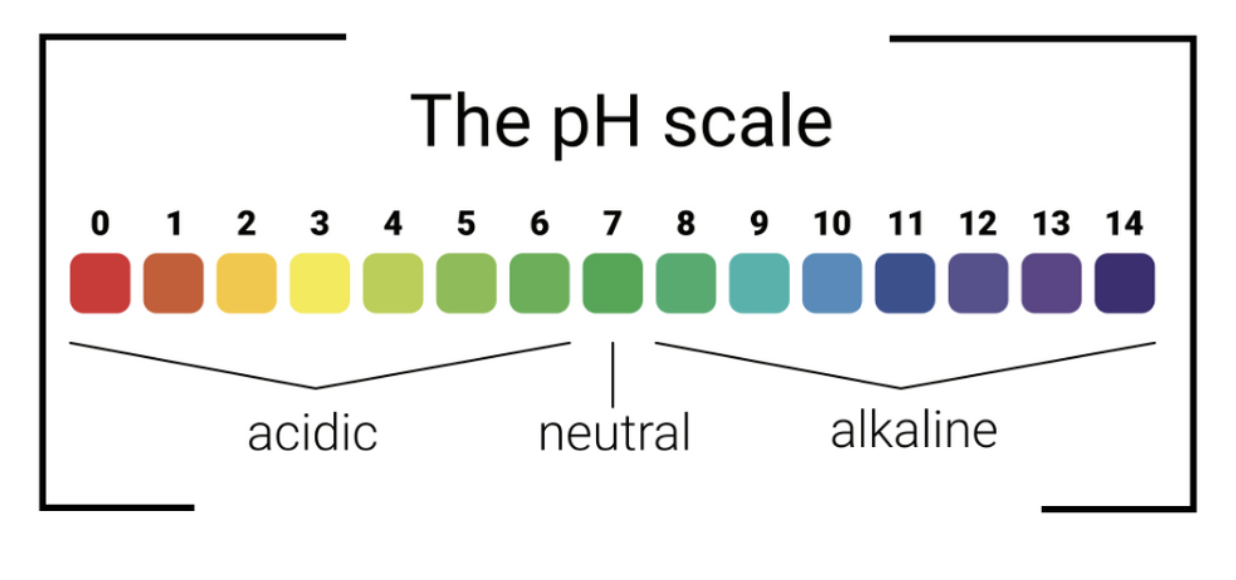
Acidity is an important structure in wine that is not often as appreciated as alcohol, but it is very important for rosé wines. It is a key factor in maintaining the quality of the wine by helping to preserve its freshness over time. There are three major acids found in wine: citric acid like what is found in citrus fruits, malic acid like what is found in green apples and tartaric acid found in grapes.
In the cooler climate regions, let’s say like Champagne, for example, the grapes that grow there will oftentimes grow to be under ripe or just barely ripe. That is based on the general cool climate of northern France. Given that the grapes are under ripe or barely ripe, the grapes develop and maintain a high level of acid and not a lot of natural sugar.